How to Balance Vata Dosha

Preventive healthcare for a strong and healthy for life

Vata dosha is one of the doshas that governs bodily movement and nervous system activity. People with vata dosha are always on the go, have a creative mind, and are full of vitality and energy. Vata dosha characteristics include coldness, dryness, quickness, movement, changeability, vitality, and enthusiasm. They normally have a slender build and are quite agile.

Physical Characteristics of Vata Dosha

  • Thin/ light body frame
  • Sensitive digestion
  • Energetic
  • Dry skin & hair
  • Cold hands & feet
  • Sudden bouts of fatigue & tiredness

When vata is balanced, energy rushes into the body, and people with vata dosha are constantly alert. However, when vata is imbalanced, they may have physical/bodily concerns such as constipation, hypertension, weakness, arthritis, restlessness, and other stomach or digestion-related problems. 

Understand the root-cause of your Cardio problems

Fill in your details, a doctor’s assistant will contact you within 24 hours to book your consultation
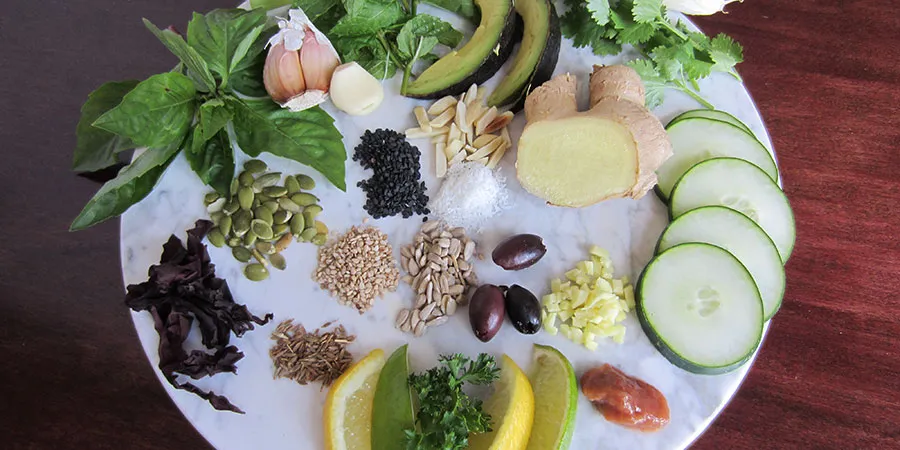
List Of Vata Pacifying Foods:

  1. Vata pacifying diet you should consume:
    Hot soups & stews; hot fluids that are not cooler than room temperature, ghee, nuts, avocado, coconut, olives, buttermilk, cheese, eggs, whole milk, wheat; moist foods like melons, berries, zucchini, squash and yogurt; warm spices like ginger, turmeric, cinnamon, flaxseeds etc.; sweet forms the foundation of a vata pacifying diet so gorge but only in moderation on sweet things.
  2. Vata imbalance diet to avoid:
    Cold and carbonated drinks, raw or uncooked fruits & vegetables, frozen foods and drinks, leftovers from the refrigerator.

What is the cause of skin psoriasis?

In general, there are two reasons for the development of this autoimmune disease. Psoriasis disease treatment in Ayurveda focuses on addressing these causes.

  • The first cause is directly related to the immune system, as white blood cells or T cells wrongly target skin cells. This invasion causes an increase in skin cell production, which eventually piles up and presses them on the surface, causing inflammation.
  • The second factor for psoriasis is heredity. If you have a family history of the disease, genes may be inherited, putting you at a higher risk of infection.

  • Ayurvedic therapies for psoriasis are produced after analysing the aforementioned factors.

Understand the root-cause of your Cardio problems

Fill in your details, a doctor’s assistant will contact you within 24 hours to book your consultation